Free Roofing Calculator
Roof area, squares, shingle bundles and cost from your house size and roof pitch — free, no signup, plus 40+ roofing calculators.
Roof area, squares & shingles
House length and width measured on the ground; the overhang and pitch are added for you.
Planning estimate — actual quotes vary
1,503
sq ft of roof
15
squares
50
bundles (+10% waste)
- Synthetic underlayment: 2 rolls
- Drip edge: 18 × 10 ft (156 ft)
- Ridge: 42 ft, 2 cap bundles
- Pitch multiplier: 1.1180
Installed cost, architectural (dimensional) shingles: $6,800 – $9,800Planning range for 2026 ($4.50–$6.50 per sq ft), before tear-off and local price differences. Dimensional shingles cost calculator · Cost by state
Detailed shingle calculatorFull project estimateHow it's calculatedFree roof estimate guide
Get quotes from local roofers
Tell local roofing pros about your project and compare their quotes with your planning estimate.
Quote requests are handled by Networx Systems, Inc. and its Partners, who may contact you about your project. We may be compensated for referrals.
🛒 Your materials list
#ad · Amazon- Synthetic underlayment, 1,000 sq ft rolls2 rolls of 1,000 sq ft
- Ice & water shield for the eaves277 sq ft: a 3 ft course along 84 ft of eaves
- Self-stick starter strip156 ft of eaves and rakes
- 1-1/4 in coil roofing nails4,364 nails at 4 per shingle
- Plastic roof cement for flashing1 can for flashing, vents and exposed nail heads
From a local roofing supplier (sold as freight lots on Amazon): shingles 50 bundles (incl. 10% waste) · drip edge 18 × 10 ft pieces · hip & ridge cap 2 bundles for 42 ft
Adds the items above with these quantities to your Amazon cart; you review them there before buying. As an Amazon Associate I earn from qualifying purchases.
Smart Home Calculators
- Roofing CalculatorRoof area, squares, shingles, pitch and cost — 40+ tools
- Deck CalculatorsCost, boards, joists, posts, footings and railing
- Fence CalculatorsPosts, pickets, rails, concrete and installed cost
- Tile CalculatorsTiles and boxes, grout, thinset and backer board
- Insulation CalculatorsR-value, batts, blown-in bags and spray foam
- Gravel CalculatorsCubic yards and tons for driveways and paths
- Drywall CalculatorsSheets, mud, tape and screws for any room
- Sod, Mulch & Topsoil CalculatorsSod pallets, mulch bags and topsoil yards
⭐ Quick Picks
Most used📱 Download the Roofing Calculator & Estimator app
All calculators in your pocket. Free on iOS and Android.


🧭 Roof Area, Pitch & Overhang
Start with geometry — calculate roof area, pitch, slope, and overhangs for accurate material takeoffs.
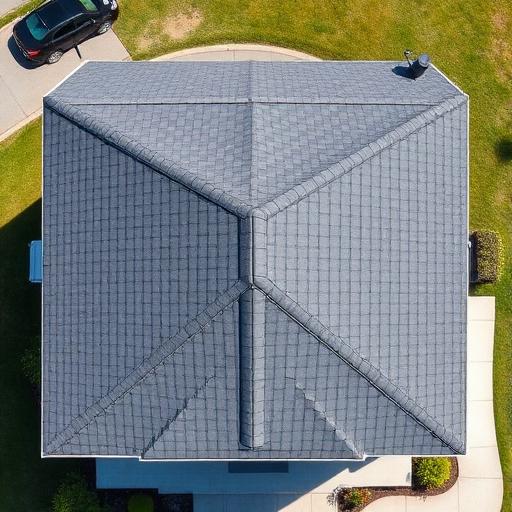
Roof Area Calculator
Calculate total roof surface area with pitch multipliers.
Open Calculator →
Pitch Calculator
Find exact roof pitch, slope factor, and rafter sizing.
Open Calculator →
Roof Slope Calculator
Compute slope percentages, angles, and multipliers.
Open Calculator →
Roof Pitch Chart
Reference chart with angles and multipliers.
Open Calculator →
Roof Overhang Calculator
Calculate eave/rake overhangs, soffit, and venting.
Open Calculator →🧱 Shingle, Nail & Decking
Convert geometry into material counts — shingles, nails, plywood, underlayment, ridge caps, and starter strips.
Shingles Estimator
Estimate shingle bundles with waste factors.
Open Calculator →
Nail Estimator
Calculate nails per bundle and total fasteners.
Open Calculator →
Plywood Estimator
Determine plywood sheets for decking.
Open Calculator →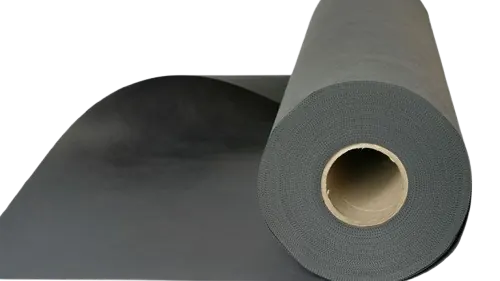
Underlayment Estimator
Estimate rolls of felt or synthetic.
Open Calculator →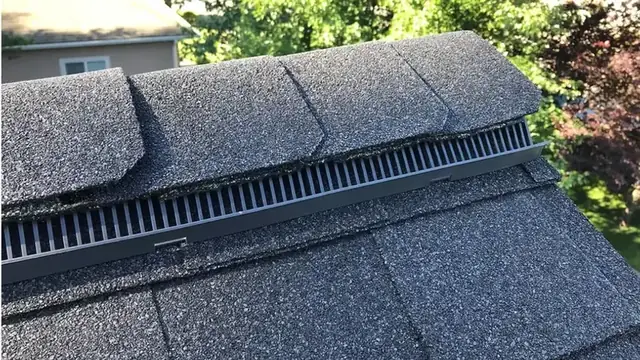
Ridge Cap Estimator
Calculate ridge cap bundles.
Open Calculator →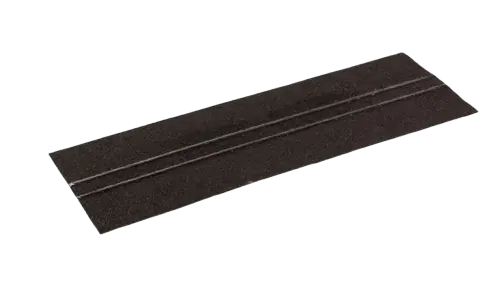
Starter Strip Estimator
Estimate starter strip for eaves/rakes.
Open Calculator →💧 Drip Edge, Flashing & Ventilation
Size drip edge, flashing, valleys, and vents to keep water out and attics dry.
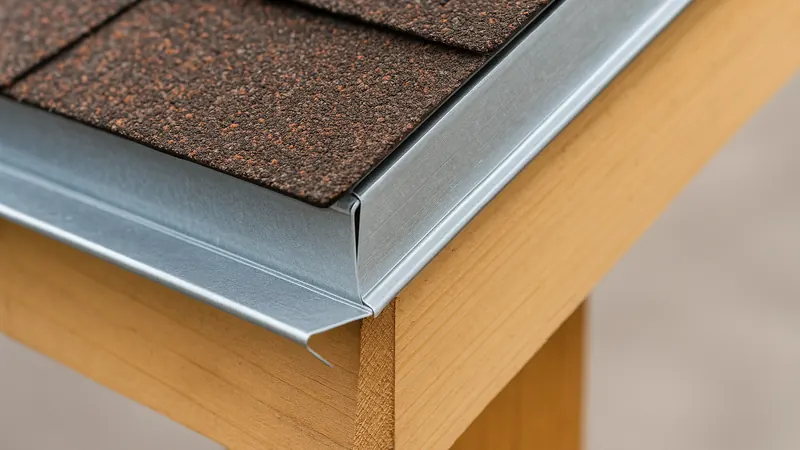
Drip Edge Estimator
Calculate linear footage for eaves and rakes.
Open Calculator →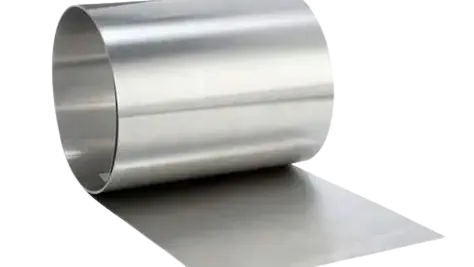
Flashing Estimator
Estimate valley, step, and wall flashing.
Open Calculator →
Valley Estimator
Measure valley lengths and material.
Open Calculator →
Roof Vent Estimator
Balance exhaust and intake ventilation.
Open Calculator →
Waste Calculator
Add waste factors for complex shapes.
Open Calculator →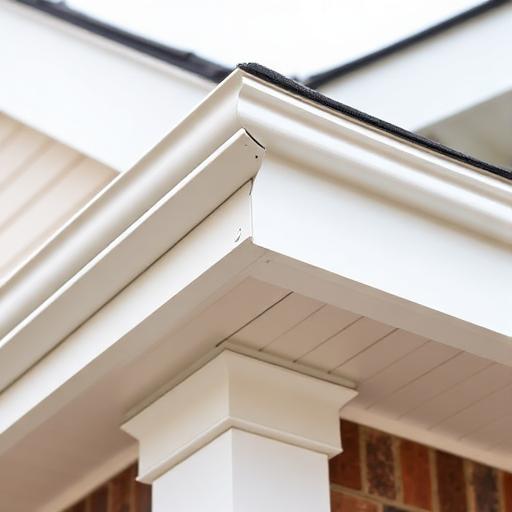
Soffit & Fascia Cost
Estimate soffit, fascia, and labor.
Open Calculator →🏗️ Trusses, Metal, Tile & Barn Roof
Estimate trusses, metal panels, tile counts, and gambrel designs before construction.
Hip Roof Calculator
Hip roof area, shingles & hip rafters.
Open Calculator →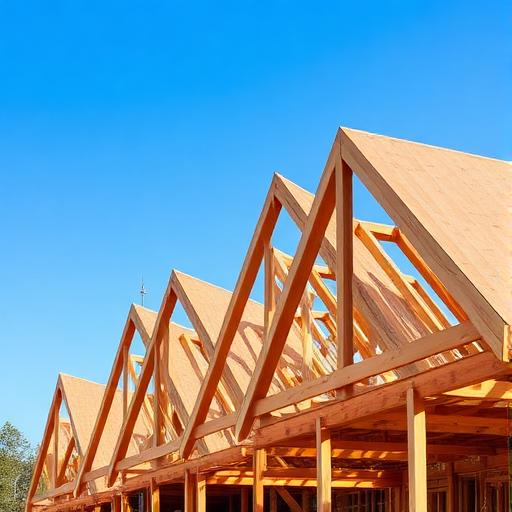
Roof Truss Calculator
Estimate truss counts and rafter lengths.
Open Calculator →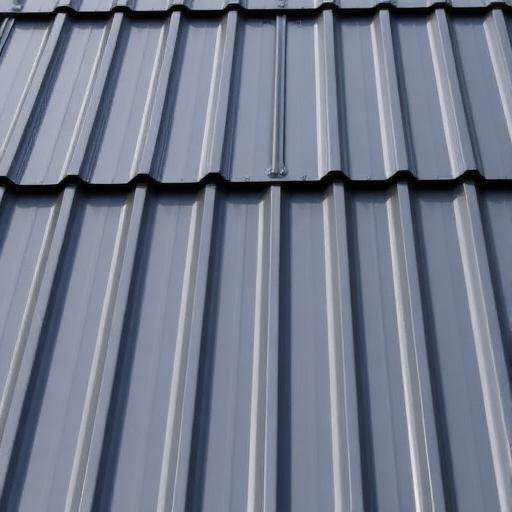
Metal Roof Calculator
Calculate panels, trims, and labor.
Open Calculator →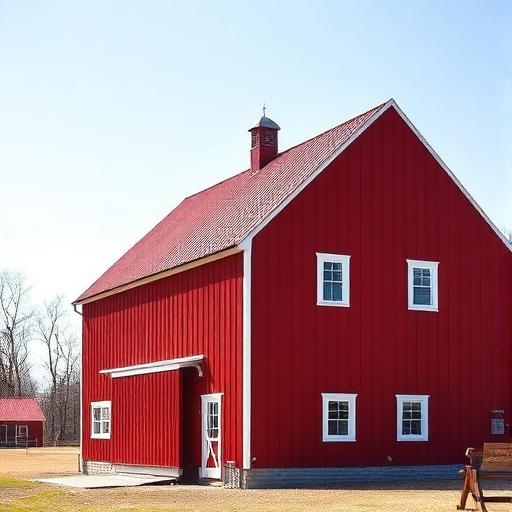
Barn Roof (Gambrel)
Estimate gambrel roof area and trusses.
Open Calculator →
Tile Roof Calculator
Clay & concrete tiles, battens, weight.
Open Calculator →
Flat Roof Calculator
TPO/EPDM/BUR membrane rolls & cost.
Open Calculator →Metal Roofing Cost Calculator
Installed metal roof cost per sq ft.
Open Calculator →TPO & EPDM Cost Calculator
Flat roof cost per sq ft installed.
Open Calculator →💵 Repair & Cost Estimators
Budget realistically with tear-off, labor, disposal, coating, and leak repair estimates.
Roof Tear-Off Cost
Estimate labor and disposal.
Open Calculator →
Roof Leak Repair
Estimate service fees and materials.
Open Calculator →
Roof Coating Calculator
Gallons of coating & pails needed.
Open Calculator →
Labor Hours Calculator
Crew days, labor hours & cost.
Open Calculator →Roof Financing Calculator
Monthly payment, interest & total cost.
Open Calculator →Roof Cleaning Cost
Soft wash pricing & DIY comparison.
Open Calculator →
Asphalt Shingle Roof Cost
3-tab or architectural, installed.
Open Calculator →Slate Roof Cost Calculator
Natural vs synthetic slate.
Open Calculator →
Cedar Shake Roof Cost
Hand-split or taper-sawn shakes.
Open Calculator →Standing Seam Metal Roof Cost
Steel, aluminum, zinc or copper.
Open Calculator →Copper Roof Cost
Shingles, panels and seamed copper.
Open Calculator →Stone-Coated Steel Roof Cost
Shake or tile-profile steel.
Open Calculator →Clay Tile Roof Cost
Clay, terracotta or concrete tile.
Open Calculator →Torch Down Roof Cost
APP or SBS modified bitumen.
Open Calculator →Roof Vent Installation Cost
Ridge, soffit, box and power vents.
Open Calculator →Hail Damage Roof Calculator
Hail size, impact class & claim math.
Open Calculator →⚡ Specialty Calculators & Tools
Gutters, insulation, solar panels, snow load analysis, and material comparison.
Gutter Calculator
Linear footage, downspouts & hangers.
Open Calculator →
Insulation Calculator
R-value, thickness & material qty.
Open Calculator →
Solar Roof Calculator
Panels, production & savings.
Open Calculator →
Snow Load Calculator
Snow weight & roof capacity.
Open Calculator →
Material Comparison
Shingles vs metal vs tile.
Open Calculator →Gutter Guard Calculator
Sections, cost & payback period.
Open Calculator →Skylight Calculator
Units, flashing & install cost.
Open Calculator →
Chimney Flashing Calculator
Step, apron & counter flashing.
Open Calculator →🛠️ Building More Than a Roof?
Check out our other free calculator sites — same trusted formulas, built for fences, decks, and gravel.
Fence Calculators →
Free fence material & cost calculators — pickets, posts, panels, and linear footage.
Deck Calculators →
Free deck calculators — boards, joists, fasteners, stairs, and total cost.
Gravel Calculators →
Free gravel calculator — cubic yards, tons, bags, and cost for driveways, paths, and drainage.
Smart Drywall Calculator (App) →
Free drywall app — sheets, mud, tape, screws, and labor. On Google Play.
🏆 Most Popular Roofing Calculators
The fastest path to a complete material list — start with pitch and area, then convert to bundles, sheets, rolls, and fasteners. Below: the calculators most people use, plus the materials they buy after.
Top Calculators
- 📐 Roof Pitch Calculator — slope, angle & pitch factor
- 🧮 Roof Area Calculator — square footage & squares
- 📦 Shingles Calculator — bundles, waste & cost
- 🪵 Plywood / OSB Calculator — sheathing sheets
- 🛡️ Underlayment Calculator — felt & synthetic
- 🔨 Roofing Nails Calculator — count & weight
- 🧰 Metal Roof Calculator — panels & trim
- 💨 Roof Vent Calculator — soffit & ridge
- 🧹 Roof Tear-Off Cost Calculator
- 🏚️ Gambrel Truss Calculator
Materials You'll Need
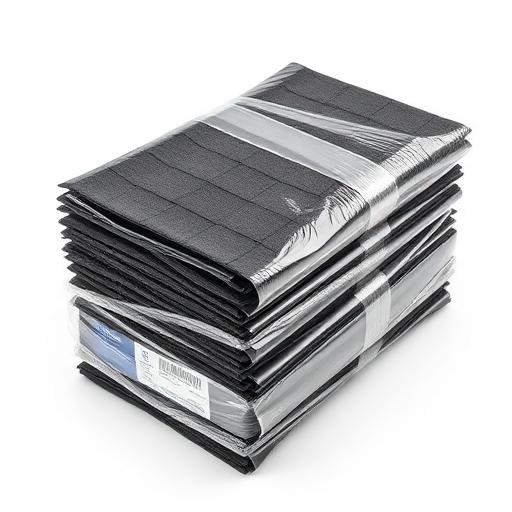
Premium Architectural Shingles
30-year shingles for a pro-grade re-roof.
Check Amazon →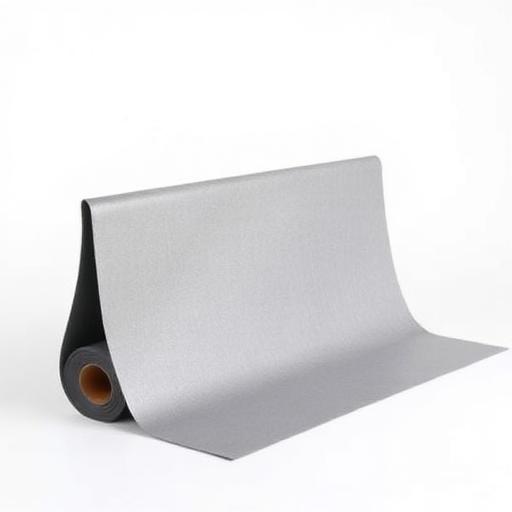
Synthetic Roofing Underlayment
Lighter & tougher than felt — covers more per roll.
Check Amazon →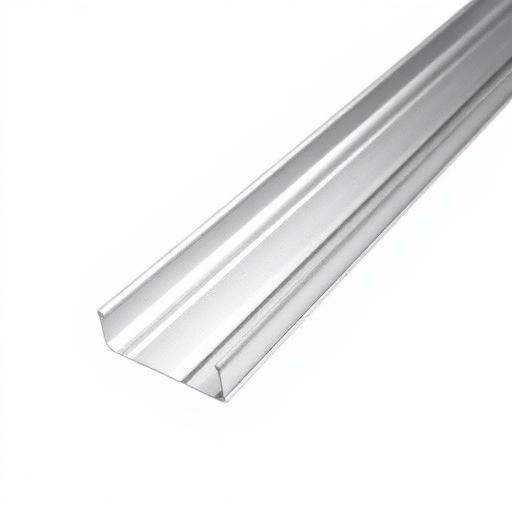
Galvanized Drip Edge
Required by code on eaves & rakes.
Check Amazon →As an Amazon Associate I earn from qualifying purchases.
Worked examples updated . Every figure below is computed with the same formulas as the calculator.
How the roofing calculator works out roof area, squares and pitch
Every roofing estimate runs in the same order, and the calculator above follows it. Get the first three numbers right — footprint, pitch, roof area — and everything downstream (bundles, rolls, trim, cost) follows from them.
- Footprint. Measure the house on the ground and add the overhang on every side: a 12 in overhang adds 2 ft to both the length and the width. Length x width is the flat area the roof covers.
- Pitch multiplier. Pitch is the rise in inches over 12 in of run. The multiplier is the square root of 1 + (rise / 12)², so a 6/12 roof is 1.1180 and a 12/12 roof is 1.4142. The roof pitch chart lists every value.
- Roof area. Footprint x multiplier is the real sloped surface. It is the same for a gable or a hip roof of equal pitch, because every plane rises at the same rate.
- Squares. Roof area / 100. Roofing is priced and ordered by the square.
- Waste. Add about 10% for a simple gable, 15% for a hip and up to 20% for a cut-up roof with valleys and dormers. The waste factor calculator goes through the cases.
- Materials. Standard architectural shingles come three bundles to the square (33.3 sq ft a bundle), synthetic underlayment about 10 squares a roll, drip edge in 10 ft lengths along the eaves and rakes, and hip and ridge cap by the linear foot of ridge and hips.
| Pitch | Angle | Multiplier | Roof area per 1,000 sq ft |
|---|---|---|---|
| 3/12 | 14° | 1.0308 | 1,031 sq ft |
| 4/12 | 18.4° | 1.0541 | 1,054 sq ft |
| 5/12 | 22.6° | 1.0833 | 1,083 sq ft |
| 6/12 | 26.6° | 1.1180 | 1,118 sq ft |
| 7/12 | 30.3° | 1.1577 | 1,158 sq ft |
| 8/12 | 33.7° | 1.2019 | 1,202 sq ft |
| 9/12 | 36.9° | 1.2500 | 1,250 sq ft |
| 10/12 | 39.8° | 1.3017 | 1,302 sq ft |
| 12/12 | 45° | 1.4142 | 1,414 sq ft |
Worked example: a 40 x 30 ft house with a 6/12 roof
Worked example: 40 x 30 ft gable roof, 12 in overhang, 6/12 pitch
- Outside the eaves: 42 x 32 ft = 1,344 sq ft of footprint.
- Roof area: 1,344 x 1.1180 = 1,503 sq ft, or 15.03 squares.
- Order with 10% waste: 16.53 squares = 50 bundles of shingles.
- Synthetic underlayment: 2 rolls. Drip edge: 156 ft of eaves and rakes, 18 ten-foot lengths with 10% for laps.
- Ridge: 42 ft, 2 bundles of hip and ridge cap.
- Installed cost with architectural shingles at $4.50-$6.50 per sq ft: $6,762-$9,767.
15.03 squares of roof, 50 bundles to order, roughly $6,762-$9,767 installed.
The same house with a hip roof has the same 1,503 sq ft of surface but more cutting, so it takes 15% waste (52 bundles), drip edge on all four eaves (148 ft, no rakes) and 106 ft of hip and ridge cap instead of 42. See the hip roof calculator for the hip rafters.
Roof size to squares and bundles
Footprint measured outside the eaves, 10% waste, three bundles per square. For a hip roof add a further 5% or so; for heavier designer shingles that come four or five bundles to the square, use the shingle calculator and change the coverage.
| Footprint | 4/12 | 6/12 | 8/12 | 10/12 |
|---|---|---|---|---|
| 1,000 sq ft | 1,054 sq ft · 35 bundles | 1,118 sq ft · 37 bundles | 1,202 sq ft · 40 bundles | 1,302 sq ft · 43 bundles |
| 1,500 sq ft | 1,581 sq ft · 53 bundles | 1,677 sq ft · 56 bundles | 1,803 sq ft · 60 bundles | 1,953 sq ft · 65 bundles |
| 2,000 sq ft | 2,108 sq ft · 70 bundles | 2,236 sq ft · 74 bundles | 2,404 sq ft · 80 bundles | 2,603 sq ft · 86 bundles |
| 2,500 sq ft | 2,635 sq ft · 88 bundles | 2,795 sq ft · 93 bundles | 3,005 sq ft · 100 bundles | 3,254 sq ft · 108 bundles |
| 3,000 sq ft | 3,162 sq ft · 105 bundles | 3,354 sq ft · 111 bundles | 3,606 sq ft · 120 bundles | 3,905 sq ft · 129 bundles |
How to measure a roof for the calculator (without climbing on it)
- Measure the house walls on the ground. Run a tape or measuring wheel along the length and the width of the outside walls. Garages and porches under the same roof get measured as their own rectangles.
- Measure the overhang. Stand under an eave and measure from the wall to the fascia — 12 in is typical, 16 to 24 in on many newer houses. The calculator adds it to both sides of the length and width.
- Find the pitch from the ground or the attic. In the attic, hold a level against a rafter, mark 12 in along it and measure straight down to the rafter: that number is the rise. From outside, count siding courses on the gable end, or use the roof pitch calculator.
- Split complex roofs. Add an L-shaped house as two rectangles; work any section with a different pitch on its own. Dormers and valleys go on top as extra waste.
- Check it against an aerial view. Satellite measurements of the footprint should land within a few percent of your tape — if they differ by more, measure again. The step-by-step measuring guide has diagrams.
Roof cost by material for the same 40 x 30 ft house
The calculator's material picker uses these installed bands (materials and labour, before tear-off). On the 1,503 sq ft roof from the worked example:
| Material | Installed per sq ft | Whole roof | Typical life |
|---|---|---|---|
| Architectural (dimensional) shingles | $4.50-$6.50 | $6,762-$9,767 | 25-30 years |
| 3-tab asphalt shingles | $3.90-$4.80 | $5,860-$7,213 | 15-20 years |
| Synthetic slate — composite | $4.00-$8.00 | $6,011-$12,021 | 30-50 years |
| Hand-split cedar shakes | $5.50-$11.50 | $8,265-$17,280 | 25-35 years |
| Taper-sawn cedar shakes | $6.50-$13.50 | $9,767-$20,286 | 25-35 years |
| Natural slate — hard | $20.00-$30.00 | $30,053-$45,079 | 75-150 years |
Slate and cedar bands are This Old House's 2026 cost guides; asphalt is this site's 2026 cost-per-square guide. Price one material in detail with the asphalt shingle, slate or cedar shake cost calculator. For metal panels use the metal roofing cost calculator, and for tile the tile roof calculator.
Resale: the Cost vs. Value 2025 report (Zonda / JLC) puts a 30-square asphalt shingle tear-off and replacement at $31,871 nationally, returning $21,501 at sale (67.5% recouped); the metal roof version costs $51,865 and returns $25,972 (50%). Those are full-service contractor jobs, so they run above the planning bands here.
What a roof calculator cannot see
- Dormers, valleys and chimneys. Add them as extra planes or raise the waste; valleys and chimney flashing have their own calculators.
- Old layers. A tear-off adds labour and disposal — the tear-off cost calculator prices it.
- Bad decking. Rotten sheathing only shows once the old roof is off; the plywood calculator sizes a re-deck.
- Local prices. Labour varies more by region than materials do. Compare roof cost by state before trusting any single figure.
- Ventilation. A new roof is the time to fix it — the roof vent calculator balances intake and exhaust.
Every calculator on this site runs in your browser, with no sign-in and no email. Each one shows the formula it used, and the figures in the guides come from the same functions, so the two cannot disagree.
❓ Roofing Calculator FAQ
How do I calculate how much roofing material I need?
Measure the building footprint to the outside of the eaves, multiply by the pitch multiplier to get the true roof area, divide by 100 for squares, then add 10% to 20% waste depending on how cut-up the roof is. Multiply the result by the coverage figure for whatever material you are laying — three bundles per square for standard shingles.
How do I calculate roof square footage?
Multiply the footprint (measured outside the eaves) by the pitch multiplier. A 2,000 sq ft footprint at 6/12 is 2,236 sq ft of roof; at 12/12 it is 2,828 sq ft.
What is a roofing square?
One hundred square feet of finished roof surface. Roofing material is priced and ordered by the square, so a 2,236 square foot roof is 22.36 squares before waste is added.
How many bundles of shingles do I need for a 2,000 sq ft roof footprint?
At a 6/12 pitch with 10% waste, 74 bundles of standard three-bundle-per-square shingles. A steeper roof or a hip roof needs more.
How much does a new shingle roof cost?
Architectural shingles run about $4.50-$6.50 per square foot of roof installed, so the 40 x 30 ft house above (1,503 sq ft of roof) comes to about $6,762-$9,767. Tear-off, extra layers, steep pitch and local labour rates move the real number.
Is this roofing calculator free?
Yes. Every calculator on the site is free, with no sign-in and no email. The calculations run in your browser and nothing is uploaded or stored.
How accurate are the estimates?
The material counts are exact for the measurements you enter. Cost figures are planning ranges for budgeting rather than quotes — pitch, complexity, tear-off layers and local labour rates all move the real number.
What pitch should I use if my roof has more than one?
Work each section separately with its own pitch and add the areas. If you must average, use the steeper pitch so the order does not come up short.
Can I use it for a metal roof?
The roof area and squares are the same for any material. For panel counts, trim and screws use the metal roof calculator, which works from the same roof area.
Which roofing materials does the calculator cover?
Pick dimensional or 3-tab asphalt shingles, synthetic slate, hand-split or taper-sawn cedar shakes, or natural slate. The roof area and squares stay the same; the cost range changes with the material — from $5,860 for 3-tab to $45,079 for hard slate on the 40 x 30 ft example house.
How do I estimate my roof size without getting on the roof?
Measure the outside walls on the ground, add the overhang to each side, and multiply by the pitch multiplier for your roof's rise. You can read the pitch from the attic with a level and a tape (the rise in 12 in of run), so nobody needs to climb a ladder.
Does a new roof pay for itself when you sell?
Partly. The Cost vs. Value 2025 report puts a 30-square asphalt shingle replacement at $31,871 nationally with $21,501 recovered at sale (67.5%), and a metal roof at $51,865 with 50% recovered.
· Reviewed by the Smart Home Calculators editorial team